Every successful product, story and business starts with an idea. The issue is that good ideas rarely show up on demand, which is why idea generation techniques matter.
Idea generation techniques are where it comes in. It helps you to think deliberately about solutions that you might have.
It will help you to understand what is idea generation, why it is important, what techniques work, and how to turn an idea into a testable idea.
Related reading: our guides to what idea generation is, creative brainstorming techniques and idea management.
What Is Idea Generation?
Idea generation involves generating many ideas, concepts, or opportunities to pursue before choosing the best idea. It works best when you have a problem to solve and make ideas without considering them, then evaluate and adjust your ideas. It can help to use brainstorming, mind mapping, and the SCAMPER method. The key to generating good ideas is not having a moment of inspiration; it’s forming a habit.
It’s the initial step in innovation and creative problem-solving. It comes before evaluation, planning, and action.
It’s used by writers, marketers, designers, founders, teachers, and product teams.
For research-backed thinking on creativity, see the creativity topic at Harvard Business Review.
Why Idea Generation Matters
The greater the number of ideas, the greater the number of options. The wider the choice, the better the decision.
Here are some of the main benefits:
- Enhanced problem-solving: Think about a problem in different ways.
- Time saving: You don’t have to look at a blank page for so long.
- Greater innovation: Melding old ideas together can result in innovations.
- More collaboration: Common sessions—everyone’s voice is heard.
Regular idea generation also helps to develop confidence. This new option can be used anytime, including under pressure.
Core Principles Behind Strong Idea Generation
The best practices adhere to a few common tenets.
- Distinguish between making and judging. Write first. Evaluate later.
- Go for quantity. There’s a long list to the left, and it makes it easier to find a few great ideas.
- Extend ideas. After a slight turn, a weak idea becomes strong.
- Have a clear problem. It is difficult to answer a vague question.
- Use a time limit. Short deadlines = less thinking.
Popular Idea Generation Techniques
No single method fits every situation. Your goal, team size, and time all matter. This table gives a quick comparison.
|
Technique |
Best For |
How It Works |
Suggested Time |
|
Brainstorming |
Groups |
Share ideas freely with no criticism |
20–30 minutes |
|
Mind mapping |
Solo or group work |
Branch ideas out from a central topic |
15–20 minutes |
|
SCAMPER |
Improving existing products |
Apply seven prompt words to a product |
20–30 minutes |
|
Brainwriting |
Teams with quiet members |
Write ideas silently, then share |
15–20 minutes |
|
Reverse brainstorming |
Tough problems |
List ways to cause the problem, then flip them |
20 minutes |
|
“How might we” questions |
Framing challenges |
Turn problems into open questions |
10 minutes |
Brainstorming
The most popular technique is called brainstorming. A group shares as many ideas as they can to state a problem. No one is to criticize during the session.
Mind Mapping
On a page, write down the main topic. Add branches for related themes and then smaller branches for details. This technique uncovers connections that you may not have recognized.
SCAMPER
SCAMPER is an acronym for Substitute, Combine, Adapt, Modify, Put to another use, Eliminate, and Reverse. Use each word to describe a product or process and record anything you think of.
Brainwriting
Everyone writes down ideas on paper. Then they pass this sheet on for people to build on. This provides for quieter individuals equal space.
Reverse Brainstorming
Ask the question, “How can we make this problem worse? Next, turn each of the answers into a potential solution. It’s fun and can sometimes reveal underlying motivations.
Solo Sessions vs. Group Sessions
The two formats are useful.
Private lessons allow you to engage in deep thinking. They are useful for writing, design and personal projects.
Group sessions combine various experiences. They are suitable for product, marketing and strategy questions.
A good strategy is to mix them up. Give everyone time to write their ideas on their own; then have a conference to discuss and develop ideas. This helps to minimize groupthink and allow everyone to have a voice.
A Simple Step-by-Step Idea Generation Process
Follow the six steps down here.
- Define the problem. State it as a one sentence question.
- Gather context. Take a look at customer feedback, data, and previous attempts.
- Set a timer. 15-30 minutes is good for the first round.
- Generate freely. Record all ideas, including unusual ones.
- Group similar ideas. Look for themes and eliminate duplicate themes.
- Choose and test. Let’s select a couple of ideas and test them out on a small scale!
A small café would like to attract more customers during the week. The owner poses the question, “How might we get office workers on weekdays?” The team comes up with 40 ideas in 20 minutes, such as providing lunch bundles, a loyalty card, and a quiet work corner. They condense all ideas, rate them, and conduct a two-week trial of the lunch package. They summarize their ideas, score them, and trial the lunch package for 2 weeks.
Pause between step 4 and 5. New eyes see great deals that aren’t identified on the first look.
How to Choose the Best Ideas After Idea Generation
The goal of idea generation is not to keep every idea. It is to find the few worth testing.
Score each option from 1 to 5 using simple criteria.
|
Criterion |
Question to Ask |
|
Impact |
Will this solve the core problem? |
|
Effort |
How much time and money will it need? |
|
Risk |
What could go wrong? |
|
Fit |
Does it match our goals and skills? |
|
Evidence |
Do users or data suggest a real need? |
Add the scores, then discuss the top three together.
Tools That Support Idea Generation
There’s no need for costly software. Simple tools do tend to be the most effective.
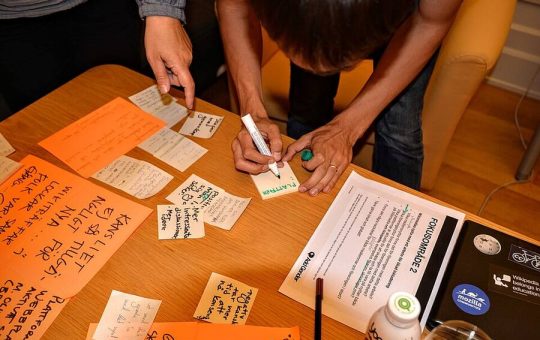
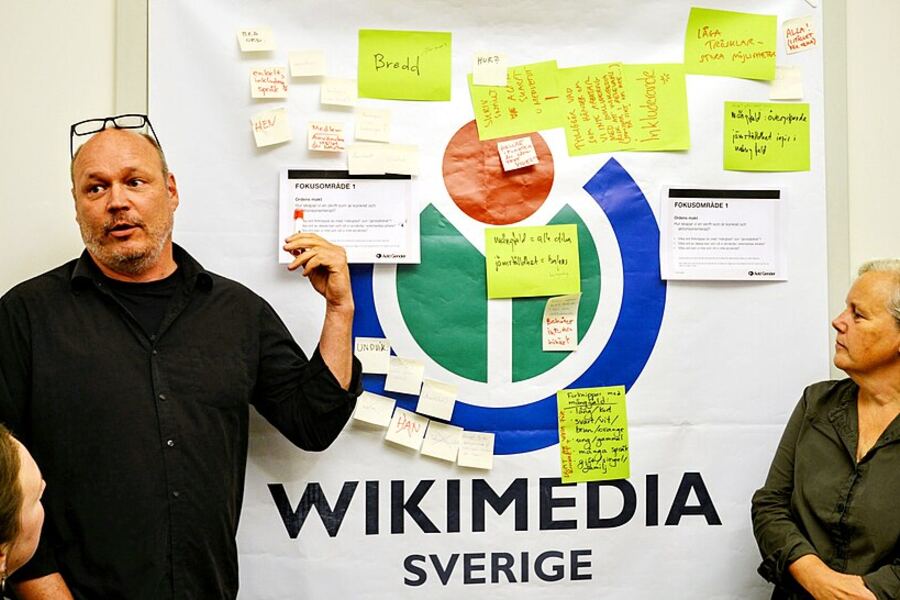
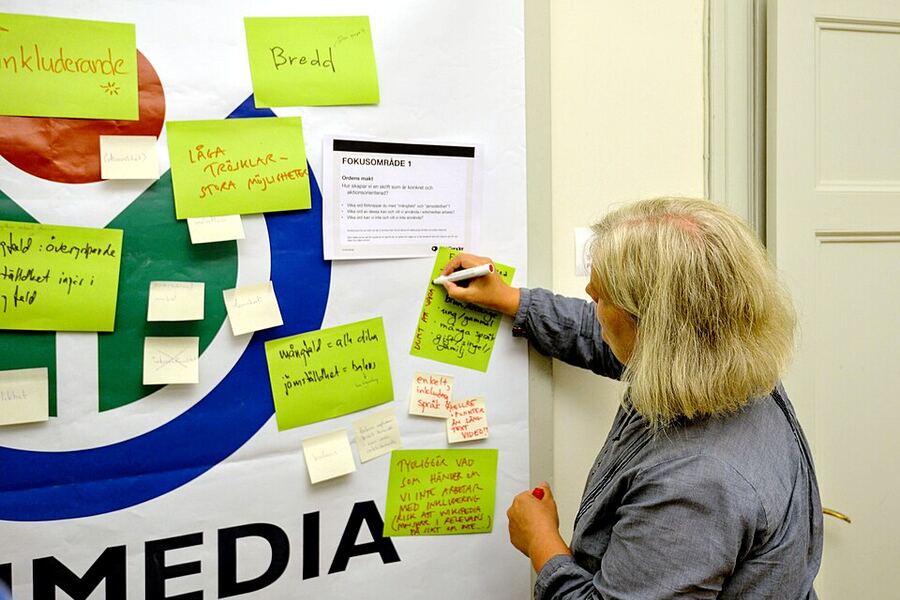
- Sticky notes and whiteboard for group sessions
- Digital whiteboards as technology for remote teams.
- Record ideas in the Note app or voice memo to capture ideas on the fly
- AI as a thinking partner—prompts and alternatives
When it comes to AI, think of the results as a source of raw data. Look at it and make adjustments prior to use.
Common Idea Generation Mistakes
- Judging too early. Criticism turns off creativity.
- Giving one voice the 3rd person’s voice. Balance the room with brainwriting!
- Forgetting to state the problem. Ideas float if it’s not in it.
- Never following up. Inaction on ideas equals inaction!
- Waiting for inspiration. Schedule sessions instead.
Habits That Strengthen Your Creative Thinking
- If practice goes, creativity will improve.
- Have an idea notebook and fill it in every day.
- Seek new connections in reading outside your discipline.
- Make “what if” tatements while doing everyday activities.
- Do brief walks or breaks to refresh the mind.
- Look back at last month’s thoughts each month! Some might be able to replace or add new problems
Final Thoughts
There’s not a lot of great ideas out there. They come from knowing what the problem is, knowing what is the simple process, a sense of discipline to create before judgment.
Regularly use idea generation. Take one new method this week, bookmark and/or score your best ideas, and quickly try one of them.
With time, you will have regular options, and better decisions will come as a result.
FAQs
Which of the following is the easiest idea generation method for novices?
Brainstorming is the easiest place to start. Set the timer, first say one problem and write anything that comes to mind, without judging. Try mind mapping or SCAMPER once you feel comfortable.
How many ideas do I need for each session?
No set amount was specified. One good rule of thumb is that you’ll keep going until you hit the obvious ideas. The brainstormed ideas are sometimes found in the last part.
Is it possible to generate ideas using AI?
Yes. AI can generate angles, examples, and alternatives quickly. It is important to verify facts and apply personal judgment and experience, however.
What’s the difference between idea generation and brainstorming?
Brainstorming is one method. Idea generation is a general method that encompasses a variety of methods, including mind mapping, SCAMPER, and brainwriting.
Does creative thinking come easily to some?
No. This is an ability that can be developed. With regular practice, prompts and good habits, results will improve over time.
What does it take to make an idea worth trying?
Rate it on impact, effort, risk, fit and evidence. Before putting in big capital, do a small test!