
Business idea generation is the starting point for any business. It's more difficult than it sounds to find a good one.
A lot of people wait for their best idea to come to them. Some imitate what they've read on the Internet and wait to see if it works. A more effective way is structured business idea generation. It provides you with a clear process—go from “I have no ideas” to “I have 3 ideas I'm going to test.”
This guide will introduce you to basic techniques, a scoring chart, and a step-by-step validation procedure.
Related reading: our guides to idea generation, how to do idea generation step by step and brainstorming examples in business.
What Is Business Idea Generation?
Business idea generation is the process of discovering, developing, and testing business ideas. The first step is to identify some of your skills, interests, and actual problems that people have. Once you have ideas, you are able to use techniques such as problem mining, trend research, and customer interviews. Last but not least, you test the best idea for cost and time and then invest time and money into it.
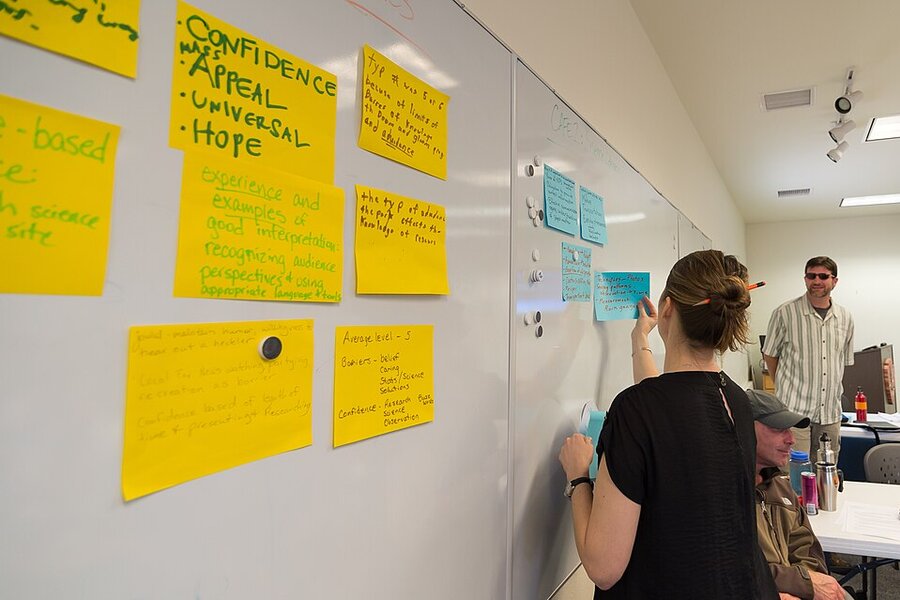
In layman's terms, this is the first step in the process that precedes a business plan. This includes brainstorming, market research, and early testing.
Why Business Idea Generation Matters
Even a mediocre concept can cost months of work. A good idea provides direction, motivation, and increased odds of customers.
For practical startup advice, see Entrepreneur.
Good business idea generation also assists you to prevent the typical pitfalls. These include constructing something no one requires or picking a market you are not knowledgeable about.
It also provides you options. If you have multiple ideas, you have the option of comparing them and choosing one that is superior to the initial option.
Set Your Filters Before You Brainstorm
- Set your boundaries beforehand. Filters limit your idea list.
- Skills: What are you able to do currently well?
- Time: How many hours per week can you give?
- Budget: how much would you be willing to lose during the test?
- Interests: For what subjects can you be interested for years?
- What are your objectives? Do you want a sideline business, a full-time business, or do you want a business that can grow?
8 Proven Methods for Business Idea Generation
MUST NOT use all of the methods. Make 2 or 3 and use whichever yields the best ideas.
1. Begin with problems, not products.
Record in writing what you find irritating at work, at home, or in your city. Then ask friends and colleagues what takes too long, is too expensive, or is too confusing.
Each repeat grievance equals a possible enterprise. This is the most reliable method of business idea generation, as there are actual problems that already have people looking for solutions.
2. Utilize skills and experience
Write down your skills at work, interests, and information. Ask who would provide the assistance and who would pay for it.
Freelancers may be served by a bookkeeper. Teachers can develop study guides. A mechanic might provide car-care seminars. You have a head start due to your experience.
3. Read Customer Reviews
Go through a few pages of reviews for popular items and read the 2-star and 3-star reviews. These frequently reveal the customer's desire without a product.
If complaints come up repeatedly, there are gaps in the markets. These gaps represent potential products/services.
4. Follow Trends Carefully
Google Trends is an excellent tool for visualizing trends in search interest over time. Seek consistent trends, not fads.
Trends indicate potential buyers, not future buyers. Always verify that it will be needed next year.
5. Develop a Better Business
It's not necessary to buy a new one. Improve a service already provided by someone else by making it faster, cheaper, or friendlier.
Local markets have relatively low competition. Good customer service is a good selling tool.
6. Combine Two Ideas
Combine two things that aren't typically paired together. For instance, match up fitness training with the mommy who is busy, or match up bookkeeping with the small online seller.
A clear niche is created by combining ideas. A niche helps you to find the right buyers.
7. Discuss with Potential Customers
Short interviews provide insights that surveys don't always capture. Ask people about a problem that they had recently encountered, rather than asking them if they like the idea.
Questions such as "What did you do the previous time this happened?” elicit valid, helpful responses.
8. Ask Questions & Use AI Tools
Use prompts like "Write down 10 problems freelance designers may be having every day." AI tools can grow your list at rapid speed but not confirm the demand.
Use AI to help brainstorm business ideas, but not as a judge. When testing ideas, always consult actual individuals.
Method Comparison Table
Use this table to decide where to begin.
|
Method |
Best For |
Effort |
Main Risk |
|
Problem-first research |
Finding real demand |
Medium |
The problem may be too small |
|
Skills-based ideas |
Beginners with experience |
Low |
May limit growth |
|
Review mining. |
Product businesses |
Low |
Gives only part of the picture |
|
Trend research |
Online and tech niches |
Medium |
Fads can fade fast. |
|
Improving existing business |
Low-risk start |
Low |
Strong competition |
|
Combining ideas |
Creating a niche |
Medium |
Demand is untested |
|
Customer interviews |
Checking real needs |
High |
Takes time; answers can be biased |
|
AI prompts |
Quick idea lists |
Low |
Ideas can be generic. |
How to Score and Compare Your Ideas
When you've brainstormed some business ideas, you could end up with a lengthy list. Take away all possibilities by rating every idea from 1 to 5 on the following factors:
|
Factor |
Question to Ask |
|
Problem strength |
Is this a painful problem people want solved? |
|
Market demand |
Are people already searching for or paying for solutions? |
|
Skill fit |
Can you deliver this well? |
|
Startup cost |
Can you begin small? |
|
Competition |
Can you stand out in a clear way? |
|
Profit potential |
Can your prices cover costs and leave profit? |
Add up the scores. Take the top two or three ideas to the testing stage.
Be honest when scoring. It is easy to inflate the score of an idea you love.
How to Validate Your Business Idea
Many people overlook validation. It transforms a conjecture into a proof.
Make one sentence offer. Explain what it is and what it solves and how.
Have a conversation with 5-10 members of your target group.
- Research search volume and competition. But plenty of contestants have demonstrated that people do pay.
- Construct a basic test. Utilise a landing page, pre-order or small pilot.
- Measure real action. Record numbers of sign-ups, replies or payments – not compliments.
- Compliments are free. Pre-orders, sign-ups and payments are much stronger signals.
If a test fails, go back to your list and test the next idea. That loop is the healthiest part of business idea generation.
Common Mistakes in Business Idea Generation
To save time and money, try to avoid these mistakes:
- Waiting for the "right stuff" to happen. Testing forms good ideas.
- Being captivated by the initial idea. Make comparisons before making a choice.
- Ignoring competition. If there is no competition, it could mean there is no demand.
- Skipping customer conversations. Markets don't prove your opinion to be correct.
- Selecting a market that doesn't interest you. Lack of interest = loss of motivation.
- Chasing every trend. Choose the direction and try it out correctly.
Simple Habits That Make Ideas Come Easier
The more you practice, the better your ideas will get. Try these habits:
- Maintain an idea list in a notebook or notes application.
- Establish a weekly 30-minute thinking time.
- Follow industry news, forums, and community groups.
- Pay attention to common gripes in people's everyday lives.
- Go through your list monthly and remove bad ideas.
Over time, consistent routines will help you generate ideas for your business more easily than one-time brainstorming marathons.
Final Thoughts
Business idea generation is not a gift—it's a skill. It can be learned, practiced, and improved.
Use real problems as a starting point. Take advantage of your ability to act as a filter. Evaluate ideas honestly and then run the better ones by real people before investing serious funds.
It is not necessary to have the perfect idea to start a project. This requires an adequate idea, a small test, and a desire to learn from the outcome. Choose one of these methods and commit 30 minutes today to it and record your first 5 ideas.
FAQs
What is the best method for business idea generation?
Any one approach is not suitable for all people. The best research is problem-first research, since it begins with actual needs. Use it in combination with a skill-oriented approach so that the concept also fits you.
How many ideas should I generate before choosing one?
Aim for 10 to 20 ideas. Most will be underweight, and that is normal. Score them and taste the top 2-3.
Can I start a business with no money or experience?
Yes. An idea involving providing a service (freelancing or consulting, for instance) requires little investment. Try it out first—small scale and work it out.
How do I know if my business idea is good?
Identify real demand signals. These include individuals making payments, being placed on a waiting list or inquiring about its availability. Positive comments are not sufficient.
How long does business idea generation take?
It can take a few days to a few weeks. The process of idea creation is rapid, but the testing takes time. Leave enough time for authentic customer dialogue.
Should I use AI for business idea generation?
Yes, as a helper. AI can provide suggestions for ideas, niches, and questions. But it cannot be substituted with customer feedback, so test every idea yourself.