
Ideas are generated by teams, and the emphasis is on creativity and collaboration. But many organisations forget an important part: documenting the process of the session. Why is it important to document the brainstorming process? Knowing the answer can benefit businesses by helping them make more effective decisions, retaining valuable information, and really converting ideas into action. Documentation helps to capture the ideas being discussed, ensures nothing is lost, and enables teams to monitor progress over time.
Documenting brainstorming sessions can make the brainstorming process more organized and effective, no matter you're working on a marketing campaign, product launch, business strategy, or school project.
Structured Table: Why Is It Important to Document the Brainstorming Process?
|
Key Information |
Details |
|
Topic |
Why Is It Important to Document the Brainstorming Process |
|
Main Purpose |
Preserve ideas and discussions for future use |
|
Primary Benefit |
Prevents valuable ideas from being lost |
|
Business Value |
Supports better planning and execution |
|
Team Benefit |
Improves collaboration and accountability |
|
Decision-Making Impact |
Provides a clear reference for evaluating ideas |
|
Project Management Benefit |
Helps track progress and next steps |
|
Knowledge Retention |
Keeps organizational knowledge available |
|
Common Users |
Businesses, students, project teams, marketers, researchers |
|
Long-Term Outcome |
Better innovation and improved project success |
What Is Brainstorming Documentation?
Brainstorming documentation is the act of capturing ideas, comments, discussions, suggestions and decisions that come during a brainstorming session.
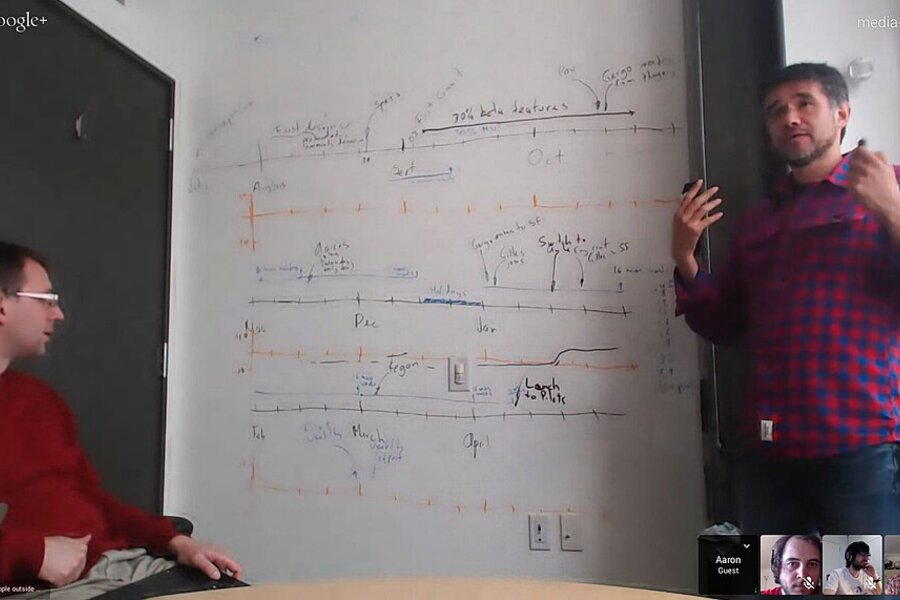
Related reading: our guides to brainstorming examples in business, innovation brainstorming and idea management.
Documentation may include:
- Written notes
- Digital documents
- Whiteboard photos
- Mind maps
- Meeting recordings
- Shared collaboration tools
The goal is simple. Capture information before it disappears.
Without documentation, even strong ideas can be forgotten within hours or days.
For wider coverage of innovation and teamwork, see Forbes Innovation.
Why Is It Important To Document the Brainstorming Process?
The answer is simple. Documentation converts temporary ideas to permanent knowledge.
Brainstorming can generate dozens, if not hundreds, of ideas. Not all ideas will be implemented right away. Some ideas might be useful at a later date.
Documenting the process enables teams to:
- Save ideas
- Track discussions
- Identify patterns
- Improve decision-making
- Create accountability
- Support future innovation
Brainstorming ideas and results that are documented by a group are used better by the organizations.
Prevents Valuable Ideas From Being Lost
The biggest of all of the reasons for documenting the brainstorming process is idea preservation.
It is not uncommon for people to forget information. Some suggestions that may be made in a meeting might be difficult for even the most active participant to remember.
Take part in a brainstorming with 10 teammates.
Each participant contributes:
- New ideas
- Improvements
- Questions
- Solutions
Many of those contributions are lost if there is no documentation involved.
Write it all down, so that no good idea goes down the drain.
Example
A group of people brainstorming new features for a product may be unwilling to accept the idea because there is a technical problem.
It might be possible and profitable to implement that idea six months later.
The team is able to review the history of the discussion.
Creates A Reliable Reference Point
Memory is a never-reliable resource.
Team Members may have different recollections of the conversation. When you have documentation, you will have one source of truth.
Participants may review the recordings of the notes instead of discussing what was said.
This will help you to have clarity on:
- Proposed ideas
- Action items
- Assigned responsibilities
- Decision criteria
- Future plans
Brainstorming process is well documented, which minimizes misunderstandings and confusion.
Improves Team Collaboration
Transparency is a key factor in effective collaboration.
If brainstorm sessions are documented, everyone is provided with the same information.
This helps provide a number of advantages:
|
Collaboration Benefit |
Impact |
|
Shared understanding |
Everyone sees the same ideas |
|
Better communication |
Fewer misunderstandings |
|
Increased participation |
Team members feel heard |
|
Improved follow-up |
Easier action planning |
|
Greater transparency |
Decisions become clearer |
People are more likely to contribute when they know their ideas will be captured and considered.
Supports Better Decision-Making
Brainstorming can create numerous ideas.
It's crucial to carefully evaluate to select the best option.
Documentation enables teams to objectively review ideas.
Rather than relying on memory, decision-makers can review:
- Pros and cons
- Supporting arguments
- Team feedback
- Risk assessments
- Suggested improvements
This helps to build the base of informed decision making.
As organizations become familiar with why it is important to document the brainstorming process, they will find that documentation actually enhances the quality of strategic decisions.
Helps Track Idea Development
It doesn't take long to realize that great ideas don't just drop out of the sky.
A lot of good ideas get developed over time.
Through documentation, teams can track the evolution of an idea over time.
For example:
|
Stage |
Description |
|
Initial Idea |
Original concept generated during brainstorming |
|
Review Stage |
Team evaluates feasibility |
|
Refinement |
Improvements and modifications added |
|
Testing |
Idea is validated through experiments |
|
Implementation |
Final solution is launched |
This progression becomes easier to manage when every step is documented.
Encourages Accountability
Brainstorming sessions can sometimes result in action items.
Examples include:
- Conducting research
- Creating prototypes
- Gathering customer feedback
- Developing project plans
Responsibilities can become confused if it is not documented.
Making assignments into a record enables you to answer such questions as:
- Who is responsible?
- What needs to be done?
- What time is the deadline?
- What resources are needed?
Clear documentation promotes accountability across the team.
Preserves Organizational Knowledge
The knowledge is among the most important possessions of a business.
Employees leave organizations. Teams change. Projects end.
Valuable knowledge can be lost if the brainstorming sessions are not documented.
Documentation creates an organizational memory that remains available long after a meeting concludes.
This helps businesses:
- Retain expertise
- Learn from previous projects
- Avoid repeating mistakes
- Continue to build on the successes of the past.
The preservation of knowledge becomes even more crucial for large organisations that have a number of departments.
Makes Future Brainstorming More Effective
Brainstorming sessions can be very valuable experiences if they are documented.
Teams can look at past sessions to find out:
- Successful techniques
- Common challenges
- Recurring themes
- Popular ideas
- Decision patterns
The information helps in brainstorming in the future.
Teams can build upon previous work, rather than beginning from scratch each time.
Reduces Duplicate Work
One of the most prevalent issues in the workplace is having to discuss the same points repeatedly.
Records can help keep teams from rehashing ideas that have been thought about before.
Documentation helps prevent:
- Duplicate meetings
- Repeated debates
- Redundant research
- Wasted effort
This will save time and enhance productivity.
Easier access to information means that organizations are more efficient.
Strengthens Innovation Efforts
New ideas are sometimes assembled from several existing ideas.
Brainstorming sessions that are documented result in a body of knowledge that can be a source of inspiration for further breakthroughs.
Once in a while, a concept, which may sound weak alone, turns into powerful when it is merged with another concept later.
Teams can use documentation to:
- Revisit old ideas
- Discover connections
- Identify emerging trends
- Generate new solutions
This is why, creative businesses are given a lot of importance to the brainstorming process that is recorded.
Helps Remote And Hybrid Teams
Collaboration remotely is becoming a key part of the modern workplace.
Team members can be involved in various:
- Cities
- Countries
- Time zones
Documentation becomes even more important in these situations.
Those not able to attend a session can access the records at a later time.
Benefits include:
|
Remote Team Benefit |
Result |
|
Better accessibility |
Everyone can access information |
|
Improved communication |
Fewer information gaps |
|
Flexible participation |
Members contribute asynchronously |
|
Knowledge sharing |
Easier collaboration across locations |
|
Project continuity |
Work continues smoothly |
This makes documentation essential for distributed teams.
Supports Project Planning
Brainstorming is the beginning of a project.
The ideas developed in these sessions will impact:
- Goals
- Timelines
- Budgets
- Resource allocation
- Execution strategies
To keep planning decisions tied to the initial brainstorming process, it is important to document the brainstorming process.
Brainstorming notes can be used as a reference by project managers to use later for changes.
Provides Evidence Of Creative Thinking
There is a need for some organizations to have proof of how decisions were made.
Documented brainstorming sessions can illustrate that:
- Idea generation efforts
- Team participation
- Problem-solving activities
- Strategic planning processes
This can be helpful for:
- Internal reviews
- Stakeholder presentations
- Innovation programs
- Research projects
Having a written record strengthens credibility and transparency.
Common Methods For Documenting Brainstorming Sessions
There are a number of effective ways to record brainstorming activities.
Written Notes
One of the most basic ways of taking notes is still the traditional way.
Advantages include:
- Easy implementation
- Low cost
- Quick reference
Digital Collaboration Tools
Digital platforms are used by many teams for brainstorming.
Popular features include:
- Real-time collaboration
- Cloud storage
- Searchable records
- Automatic backups
Mind Maps
The mind maps is a visual organizer of ideas and relationships.
They can be used for:
- Complex projects
- Strategic planning
- Creative sessions
Photos and Screenshots
Taking photos of whiteboards preserves visual discussions.
This is a quick and easy technique.
Audio or Video Recording
Audio recording can help to document information that written notes might not.
They give a full history of the meeting.
Best Practices For Brainstorming Documentation
Adopt these best practices to help maximize value.
Capture Everything Initially
Do not be tempted to filter ideas when documenting.
Write down all the contributions first.
Evaluation can happen later.
Organize Information Clearly
Use the following categories to create structure notes:
- Ideas
- Questions
- Concerns
- Action items
Clear organization improves usability.
Identify Key Decisions
Identify key findings and distinct from general comments.
This facilitates further reviews in the future.
Assign Ownership
Write down the responsibilities for each task/action.
Store Documents Centrally
Record brainstorming ideas in a common space.
This ensures long-term accessibility.
Challenges Of Poor Documentation
Not taking minutes of brainstorming can lead to several issues.
|
Challenge |
Impact |
|
Forgotten ideas |
Lost opportunities |
|
Miscommunication |
Team confusion |
|
Duplicate discussions |
Wasted time |
|
Weak accountability |
Delayed execution |
|
Poor knowledge retention |
Reduced organizational learning |
These are potential obstacles that can diminish the value of brainstorming sessions.
Why Businesses Prioritize Brainstorming Records
Those who are successful organizations see ideas as assets.
The information generated in the brainstorming process can have an impact on:
- Products
- Services
- Marketing campaigns
- Operational improvements
- Strategic initiatives
These sessions are a representation of these assets and cannot be left unrecorded.
Prospective companies that regularly document brainstorming activities tend to reap greater long-term returns from their efforts to innovate.
Final Thoughts
For anyone engaged in problem-solving, innovation, project planning or team collaboration, the importance of documenting the brainstorming process is very important. Documentation is a means of converting ephemeral discussion into organizational knowledge. It reduces the risk of losing ideas, aids decision making, increases accountability and facilitates future innovation.
The brainstorming session could take just one hour, but it can add value for years. Well documented ideas can be long lasting and will be accessible, doable and useful beyond the meeting.
FAQs:
Why is it important to document the brainstorming process?
Documenting the brainstorming process preserves ideas, improves collaboration, supports decision-making, and prevents valuable information from being forgotten.
What should be documented during brainstorming?
Teams should record ideas, comments, questions, decisions, action items, and participant contributions.
How does documentation improve innovation?
Documentation creates a library of ideas that can be reviewed, combined, refined, and developed into future innovations.
What tools can be used to document brainstorming sessions?
Common tools include note-taking apps, collaborative platforms, mind maps, spreadsheets, recordings, and whiteboard photos.
Can brainstorming documentation help remote teams?
Yes. Documentation allows remote team members to access information, review discussions, and contribute regardless of location.
What happens if brainstorming sessions are not documented?
Important ideas may be forgotten, misunderstandings can occur, and teams may waste time repeating previous discussions.