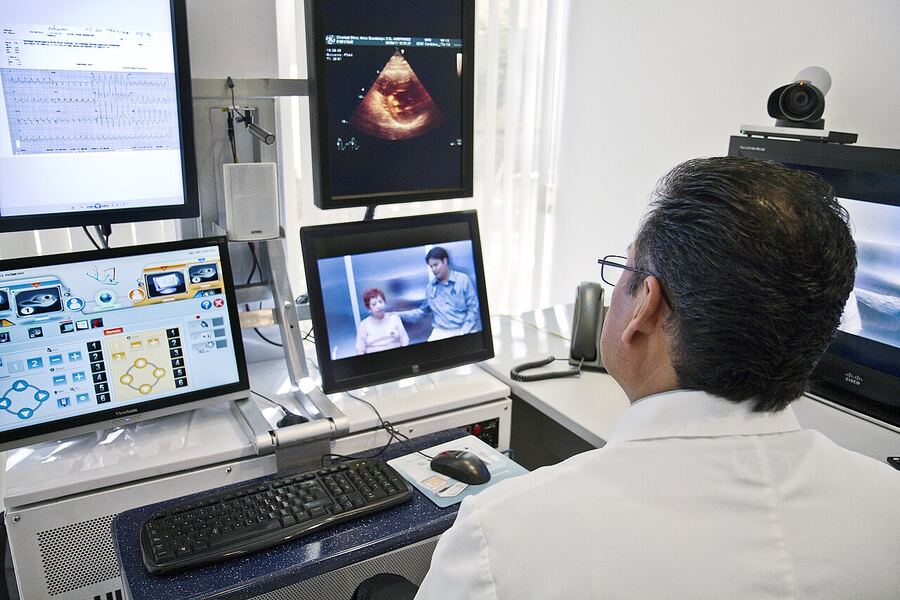
Medical knowledge used to flow from the experts to patients. However, this is quickly changing. Today, crowdsourcing healthcare can put the power in the hands of the crowd to share information, ideas, and skills and work as a team to address health issues collectively.
This guide will provide an overview of the concept of crowdsourcing in healthcare, the existing uses of crowdsourcing, and potential challenges. There are also real-life examples, two handy tables, and answers to numerous questions.
What Is Crowdsourcing Healthcare?
Crowdsourcing healthcare is the engagement of a large population with the collection of data, ideas, or effort to address a healthcare problem. It is used to assist in diagnosis, research, drug discovery, and patient education. Contributors meet on-line and through apps and games, and experts have a quicker way to get the answers. Use of shared knowledge is an intention to build the foundations for improved care, not replace professional judgment.
Related reading: our guides to what crowdsourcing means in business, examples of crowdsourcing and open innovation crowdsourcing.
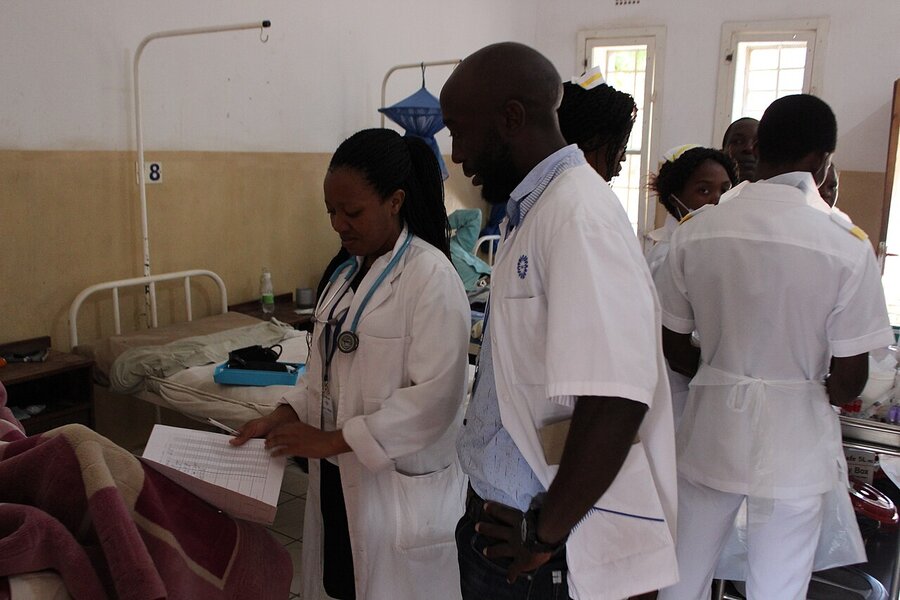
The “crowd” may be patients, caregivers, nurses, doctors, students, or interested volunteers. No one makes contributions to a large part. All of them together can present patterns that neither one expert or one hospital might. Collective intelligence is a term that is often employed in digital health.
Why Crowdsourcing Healthcare Is Growing
The increase of crowdsourced medicine can be attributed to a number of changes:
- Ease of sharing symptoms, photos, and results with ease of smartphone and app.
- Rare disease patient communities on the web connect people with rare diseases.
- A large dataset is not feasible for small research teams to sift through by themselves.
- Budget constraints and limited workforce pose a challenge for health systems in finding common ground solutions.
This has led to the use of crowdsourcing in healthcare becoming commonplace. Now it’s added to telemedicine, wearables, and other digital health tools.
For current health news, see the health section at BBC News.
Main Types of Crowdsourcing Healthcare Models
Not every project works the same way. Most fall into one of the models below.
|
Model |
How It Works |
Example |
|
Patient data sharing |
Patients log symptoms, treatments, and outcomes. |
PatientsLikeMe |
|
Crowd diagnosis |
Many clinicians review one case and suggest answers. |
Human Dx Project |
|
Citizen science |
Volunteers label images or play research games. |
Cell Slider, Foldit |
|
Open innovation |
Groups post a health problem and invite solutions. |
Data science contests, hackathons |
|
Medical crowdfunding |
The public funds care for research costs. |
Online fundraising campaigns |
Each model suits a different goal. Data sharing helps researchers learn from real patient experience. Citizen science speeds up tasks that need many human eyes.
Real-World Examples of Crowdsourcing Healthcare
Foldit: Players Solving Protein Puzzles
Foldit is a fun, online game to fold proteins into stable shapes. Gamers helped researchers to unravel the structure of an enzyme of a virus related to HIV in 2011. That had been a riddle that scientists have been trying to solve for a long time. Results published in a peer-reviewed journal.
Volunteers Review Cancer Images (Cell Slider)
Cancer Research UK started the construction of Cell Slider in 2012, in partnership with the Zooniverse citizen science platform. Images of tumor samples were looked at by volunteers, who helped sort them. This enabled researchers to dedicate time to a more in-depth analysis.
PatientsLikeMe: Real Patient Experience.
PatientsLikeMe was founded in 2004 and lets patients report their symptoms and diseases and their remedies. The common information is used to facilitate comparison for patients. It also gives the researchers an insight into real-world conditions.
Community-Built Technology—DIY Diabetes Tools
Some type 1s learned to program their own automated insulin injection devices and shared the code online for others to use. #WeAreNotWaiting is a movement that is often heard. It’s an example of the power of patient communities. It also illustrates the potential hazards of unregulated tools.
Key Benefits of Crowdsourcing Healthcare
This, if well constructed, has certain advantages:
- Proper ideas: Many minds can test more possibilities at a time.
- Broad data: real-world information shows what’s going on in the “real world.
- Lower costs: The volunteer is able to make a contribution to a project that might be difficult and/or expensive to hire someone to make.
- Active patient voice—the studies are chosen by people with a condition.
- Support for rare diseases: Rare patient groups may reach out to each other from all over the world.
- Peer support: Talk with others; sharing experiences can decrease feelings of isolation.
Risks and Limits You Should Know
Crowdsourcing healthcare is not a shortcut to better medicine. Crowd input can be wrong, biased, or unsafe if nobody checks it.
|
Risk |
Why It Matters |
How to Reduce It |
|
Unsafe advice |
Anonymous users may not be qualified |
Expert review before any use |
|
Privacy loss |
Health data is highly sensitive. |
Consent, de-identification, secure storage |
|
Biased data |
Contributors may not represent all groups. |
Recruit diverse participants |
|
Low-quality input |
Untrained people can make errors. |
Clear tasks, training, multiple reviewers |
Regulation matters too. Privacy laws such as HIPAA in the United States and GDPR in Europe set rules for handling health data.
Best Practices for Safe Crowdsourcing Healthcare
When it comes to good projects, there are a few rules:
- Form a well-posed question. Formulate a clear question. Fuzzy goals result in a cluttered result.
- Verify with experts. Clinicians/Scientists: Conduct crowd output checks.
- Get informed consent. Consent to use people’s data should be informed.
- Protect identity. Wherever possible, eliminate names and personal information.
- Honestly discuss boundaries. Identify the Project’s advantages and disadvantages.
- Credit contributors. Recognition is one of the main factors to keep volunteers involved.
Start small. Test it out first on a small scale and then scale up.
The Future of Crowdsourcing Healthcare
AI is one of these factors. Images with annotations and patient-reported data are valuable resources that can be used to train medical AI models, and the literature needs to be reviewed by humans. More everyday health data will be added to the mix by wearable devices.
Over time, crowdsourcing healthcare is likely to become more formal, with clear rules on consent, data quality, and accountability. Best models are likely to be hybrid—that is, crowd-provided scale and the professionals’ provided oversight.
Final Thoughts
It is essential to remember that there are many causes of health problems, and no one or one institution can give you all the answers. Patients, doctors, and volunteers can contribute their knowledge to healthcare through crowdsourcing, helping to accelerate discovery.
It is not perfect. Shared input may mislead or harm if it isn’t checked by professionals and isn’t subject to proper privacy policies. It can bring them to medicine and add voices, information, and creativity.
Be patient: Be curious as a patient, researcher, or health organization. Always rely on trusted sites, protect personal data, and check information out for accuracy.
FAQs
What is crowdsourcing healthcare in simple words?
It means using the combined input of many people to help solve health problems. Contributors may share data, review images, suggest diagnoses, or fund research.
Is crowdsourced medicine safe for patients?
It can be safe when experts review the results and privacy is protected. It becomes risky when people follow unverified advice from strangers online.
What are some examples?
Well-known examples include Foldit, Cell Slider, PatientsLikeMe, and the Human Dx Project. Each uses a different type of crowd contribution.
Can crowdsourcing healthcare replace doctors?
No. It supports clinicians and researchers but does not replace training, testing, or professional judgment. Medical decisions still need qualified experts.
How does crowdsourcing healthcare protect privacy?
Responsible projects use consent forms, remove personal identifiers, and store data securely. They also follow local laws such as HIPAA or GDPR. Always read a platform’s privacy policy before sharing health details.
How can I take part?
You can join a citizen science project, share your experience in a reputable patient community, or take part in a research study. Avoid giving medical advice to others unless you are a qualified professional.