Exercise is a vital component to a healthy and active lifestyle. Cardio walking, running, and other exercises work well, but strength exercises can be useful, too. By knowing about the benefits of incorporating resistance training into your workout regimen, you can make a more well-rounded fitness plan that benefits your strength, mobility, and overall well-being.
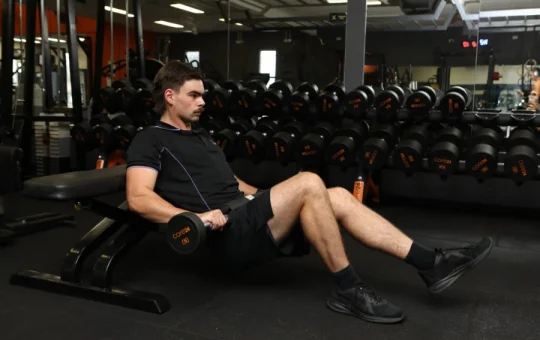
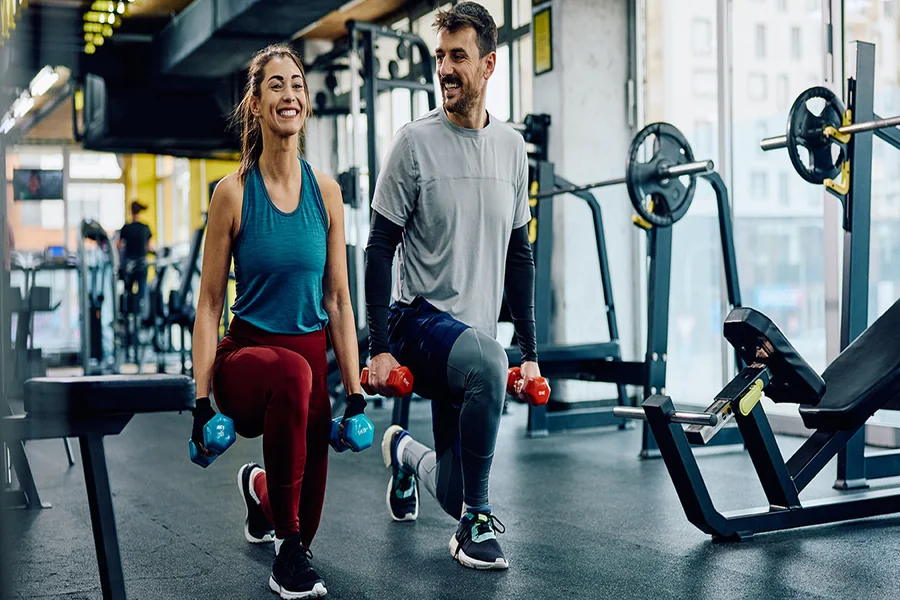
Resistance training exercises are exercises that cause your muscles to work against resistance, which can include either weights or your own body. The resistance can be from dumbbells, resistance bands, gym equipment, or even your body weight. These include activities like squats, push ups, lunges and rows.
Resistance training doesn’t require you to be a body builder or attend the gym for hours each day. The small exercises, even a few times a week, can make a positive difference in physical fitness.
The question is: What is resistance training?
Resistance training is a form of exercise that involves challenging the muscles. Repeatedly contracting the muscle against resistance causes the muscle to slowly adapt to the resistance and become stronger.
Resistance may originate from a variety of sources such as:
- Free weights (dumbbells)
- Resistance bands
- Weight machines
- Bodyweight exercises
- Kettlebells
- Safe use of household items for weights.
Resistance exercises can be modified to meet the needs of people of all fitness levels. For beginners, begin with body weight exercises and progress to weighted exercises as they get better.
The advantages of incorporating resistance training into your workout.
Incorporating resistance training into your exercise regimen can offer a number of physical and lifestyle advantages. It helps build muscle, as well as movement, balance and fitness.
Develops and preserves muscular power
Resistance training has a number of advantages, and one of them is that it helps to strengthen the muscle.
Your muscles are engaged in activities like carrying groceries, climbing up and down the stairs, lifting things and getting out of the chair all day.
As muscles gain strength, some normal activities might become more comfortable.
Resistance training is also beneficial in maintaining muscle during the ageing process. There is a natural loss of muscle mass as you get older and so strength training becomes more and more important.
Supports Stronger Bones
Resistance work is more than just a challenge for muscles. They also put controlled stress onto bones.
Such activity may promote the strength of the bones over time.
Muscles and bones need to collaborate when doing workouts like squats, lunges and weight lifting. Resistance exercise may thus play an important role in the active lifestyle that promotes long-term bone health.
Provides aids that make everyday activities easier
Uses aids to support everyday activities.Fitness is more than just being able to work out at the gym. A proper exercise program should also aid with normal daily activities.
Tougher muscles can make things easier to do, like lifting boxes, carrying children, doing household chores or moving furniture around.
The exercise of different muscle groups may help your body to be better able to meet these normal physical needs.
Helps Support Healthy Body Composition
Resistance training can help to preserve or build lean muscle mass thus aiding to healthier body composition.
muscle tissue needs energy. Body uses more energy during the day, if more muscles are active.
While resistance training is not a fast way to lose weight, it certainly shouldn’t be considered a weight loss approach. Physical activity, nutrition, sleep and lifestyle habits are the factors that usually constitute healthy body composition.
Strength training plus cardio and a healthy diet is the best way to improve fitness, as opposed to relying on one exercise routine.
Enhance stability and balance
Increases balance and stability.Well-developed muscles maintain joints and aid in the control of body movements.
Leg and hip work, back and core work can help with stability in daily activities.
Squats work the muscles associated with sitting and standing, for instance, and core exercises work the muscles around the abdomen and back.
As individuals grow older, maintaining balance becomes increasingly important as it can aid in moving with confidence; therefore, improved balance can be beneficial.
Supports Better Posture
Sitting for hours at a time in front of a computer, desk or phone is often part of a modern lifestyle. Over time, weak muscles may contribute to poor posture.
Building up muscles around the back, shoulders, abdomen and hips can help to support proper body positioning.
When possible resistance exercises should be performed with mobility and flexibility exercises.
Your posture is also influenced by your everyday activities, such as sitting, standing and using electronic equipment.
Can increase exercise performance
Resistance training can also be beneficial for people who like walking, running, swimming, bicycling or recreational activities.
Powerful muscles enable more efficient movement and extra stability while exercising.
For instance, runners will work on strengthening the legs and core, swimmers on the back, shoulders, and core.
Resistance training does not need to be a substitute for other types of exercise. Rather, it can supplement them.
Can be done nearly anywhere
A benefit of resistance training is flexibility.
It’s not always necessary to have fancy gym equipment. There are lots of exercises that can be done at home without any equipment.
Simple exercises include:
- Squats
- Wall push-ups
- Regular push-ups
- Lunges
- Glute bridges
- Planks
- Calf raises
Another great idea is to use resistance bands which come in a variety of sizes, weights are low and very inexpensive and can be easily stored.
This makes resistance training accessible to those with limited time or who don’t have access to a gym.
How often do you have to do resistance training?
Even a couple of weeks of resistance training a few times a week can be beneficial to many people, provided that there is adequate rest in between workouts.
The first thing beginners should do is learn how to move, not how to lift a lot of weight.
A basic beginner workout program could involve workouts on the largest muscle groups including the:
- Legs
- Chest
- Back
- Shoulders
- Arms
- Core
You need to start off light and gradually make your way up to the higher level of resistance as you get stronger.
How many times per week you train will depend on your fitness, goals, health and other activities you have.
Avoid the use of substandard equipment and practices
Correct technique is important during resistance training.
Inappropriate form can put extra strain on muscles or joints. It’s important for beginners to do their exercises slowly and to concentrate on controlled motion.
If you are going to add weight ensure that you can do the exercise with good form and comfort.
If you’re not sure, you can also ask a qualified fitness expert to show you a proper exercise and how to do it properly.
Do resistance training along with other healthy behaviors
Resistance training is best incorporated into a full lifestyle plan that is healthy.
Consider pairing strength training with aerobic exercise, stretching, proper nutrition, hydration and rest.
Cardio exercises will work more on the heart and lung fitness, whereas resistance training will be more on muscular strength.
These types of exercise provide a well-rounded fitness plan.
It is also crucial to recovery. Be sure to allow recovery after hard sessions, don’t train hard the same groups every day.
Listen to Your Body
When beginning resistance training or upping the intensity of exercise, some temporary muscle soreness may be experienced.
If the pain is persistent or sharp, though, it is best not to ignore it.
If it doesn’t feel right, decrease the load or discontinue the exercise. Those with injuries, medical conditions or substantial limitations in mobility may find it helpful to have the advice of a health care provider before starting a new exercise routine.
Any improvements in fitness should be slow and steady. It’s better to make the changes gradually, rather than trying to make a lot of changes in a short period.
Final Thoughts
Learning about the positive effects of incorporating resistance training into your exercise regimen can help you develop a more comprehensive fitness program. Resistance exercises can help build muscles, maintain bone strength, enhance balance, make everyday living easier and be used along with the CV exercises.
Don’t need complicated equipment or extended workout sessions to start. Here are a few simple body weight exercises or resistance bands to get you started.
Emphasize correct form, incremental improvements and repetition. Resistance training, when used in conjunction with good nutrition, exercise, quality sleep and healthy lifestyle choices, can play a role in strength and wellness.