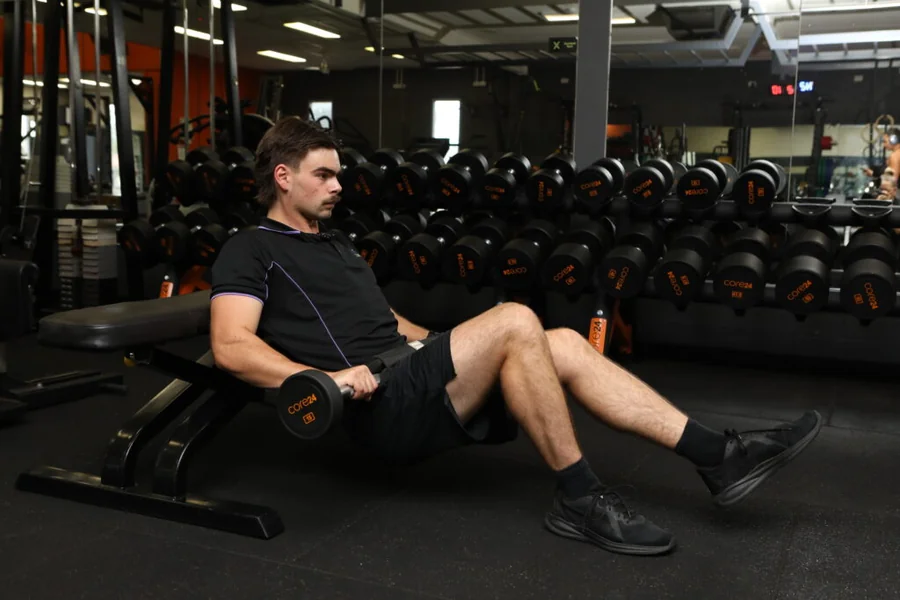
Strength training is usually thought of as performing weights or bodybuilding exercises, or doing high intensity gym workouts. It’s more than that, though. When you consider all the movements you do during your daily routine, it’ll become apparent how strength training can help with your everyday fitness. Muscular strength is needed for carrying groceries, climbing stairs, lifting a child, moving furniture and getting up from a chair.
Wearing a heavy weight training regimen can strengthen your muscles and make them more ready for these daily tasks. It can also help with balance, movement, posture, bone health and physical confidence. It doesn’t have to be a competitive weightlifting activity to be beneficial. Basic resistance activities performed regularly can make it easier and less uncomfortable to move throughout the day.
So, what is strength training?
Strength training: These are exercises that cause muscles to work against resistance. The resistance may be provided by free weights, resistance bands, exercise machines, or body weight.
Some of the most popular strength-training workouts are:
- Squats
- Lunges
- Push-ups
- Rows
- Planks
- Deadlifts
- Shoulder presses
- Resistance-band exercises
The aim is to give your muscles a good workout so that they slowly get stronger. Once you’ve become more fit, you can add more resistance, more reps or make the exercise more difficult.
You don’t have to go to the gym to do strength training. There are numerous great exercises that can be done at home, with just a little equipment.
Strength training isn’t just for athletes or the elderly
Strength training is not only for athletes and the elderly.Everyday fitness is having the strength, endurance, mobility, and balance needed to engage in day-to-day activities with minimal undue difficulty.
This is aided by strength training, which enhances the strength of the muscle itself. Healthier muscles will make normal movements seem easier.
For instance, greater leg muscle strength can make you easier to go up and down stairs. Having more powerful arms and shoulders can make shopping bags less cumbersome. Core strength can help you to have more control when bending, lifting, and changing direction.
Such enhancements could come in handy in just about any age.
Simplifies daily tasks.Makes it easier to do daily tasks
There are movements in everyday activities that are similar to strength training.
A squat is similar to sitting and getting up from a chair. The movements of a deadlift are similar to picking something up off the floor. Using dumbbells can be similar to carrying groceries or bags.
Training these movement patterns helps prepare your body for real-life activities.
Once stronger, daily activities which used to be tiring may seem easier. This is a great option for those who have physically demanding work or busy lives.
Supports Healthy Muscles
Strength of muscles may slowly diminish when people are inactive. Frequent resistance training keeps muscle tissue healthy and builds it up.
Good muscles enable the body to move. These stabilize joints and help you to perform physical duties more under control.
As individuals age, it is essential to keep muscles healthy, too. Strength training exercises can be integrated into an overall fitness program and may be beneficial for people who want to be able to do their daily activities without assistance.
It’s consistency, rather than lifting heavily, that’s most important. If exercises are done regularly, even resistance that is considered moderate can be beneficial.
Helps Improve Balance and Stability
Balance is influenced by muscle strength, coordination, vision and the nervous system.
Strengthening exercises that target the legs, hips and core can help with stability when walking around. Better muscle control will help you to walk, stand, change direction and step over more easily.
Squats, lunges, step-ups or single leg exercises can test strength and balance.
Stability can also help improve confidence levels when engaging in exercise.
Supports Strong Bones
Strength training works more than just muscles! Healthy stress on bones also can be created by resistance exercise.
Physical activity causes bones to adapt to the stress placed on them. Fitness regimes to promote bone health frequently involve weight-bearing and resistance exercises.
Squats, lunges, resistance training, and other forms of controlled exercise are all examples of activities that can help make for a balanced workout.
Along with proper nutrition and healthy lifestyles, strength training is essential for a healthy skeleton.
May Improve Posture
Sitting, sitting in front of a computer, or using a smartphone all day long is an integral part of modern life. These habits can lead to improper posture or muscle imbalances at times.
Increasing the strength of the upper back, shoulders, core, hips and legs can help maintain good body posture.
Rowing exercises, planks, bridges, and controlled shoulder movements can help build posture muscles.
But, strength isn’t the sole determinant of posture. Mobility, workplace setup, movement habits and body structure also are very important.
Supports Joint Function
Muscles play a vital role in supporting and stabilizing the joints, and it is important to have strong muscles.
Muscles, for instance, near the knees, hips, shoulders and spine regulate the motion and absorb the force of the body. More efficient movements in everyday life may be achieved by strengthening these muscles.
Using proper exercise technique is important. Generally, strength-building exercises should not be rushed but done with controlled movements.
Individuals who already have some joint issues or injuries may need expert advice prior to beginning a new exercise program.
Provides assistance in weight management
Strength training can also be used to promote healthy weight management.
Resistance exercise helps to burn calories and muscle tissue needs energy. While strength training is not a magic solution for weight loss, it can do its part as part of a well-rounded fitness regimen.
Strength exercise, along with aerobic exercise, a healthy diet, adequate rest and appropriate portion sizes can help support weight maintenance.
The focus should not only be on the number on the scale. An increase in strength and physical abilities can mean a fitness improvement.
How many times a week should you work out?
Strength exercises can be beneficial several times each week and for many people.
An easy workout can target the major muscle groups such as the:
- Legs
- Hips
- Back
- Chest
- Shoulders
- Arms
- Core
Workouts for beginners need not be long. Just a few simple exercises in short sessions can be sufficient to develop strength.
Rest is also essential as muscles require some time to recover from strenuous exercise.
Simple strength exercises that are suitable for beginners
Those new to strength training should start with basic body-weight exercises.
Chair squats are a great exercise for leg strength. They are easier than regular push-ups, but are called wall push-ups. Glute bridges are a great hip and lower body builder and bird-dog exercises can help develop core control.
Another great reason to use resistance bands is that they are light, inexpensive and can be used for a lot of exercises.
The main thing to remember is to start with the correct technique, before adding resistance.
Don’t try too hard, too soon!
A frequently made error is overdoing the exercise intensity.
Attempting to perform weight lifting exercises without making sure that the correct form is utilized can increase the likelihood of discomfort or injury.
For the beginning, use light resistance and practice slow movements. Slowly increasing allows the muscles, joints and connective tissues time to adapt.
Any muscle soreness following an unfamiliar exercise activity is not necessarily a sign of trouble but severe or prolonged pain should not be neglected.
Perform strength training in conjunction with other exercises
Strength training combined with other exercisesBuilding strength is just one component of fitness.
Walking, cycling, swimming, or jogging are good cardiovascular exercises that provide heart and lung fitness. Stretching & mobility exercises to maintain comfortable movement.
This could be a strength-based program, an aerobic program, a mobility program and proper recovery.
Don’t do all of the exercise types in one session. Activities can be done all week long, depending on your plans and condition.
Final Thoughts
Resistance training is often considered to be a fitness activity for athletes and bodybuilders, but knowing how strength training can help your overall fitness is essential to changing this perception. Strength comes in handy in everyday life.
Easier walking, climbing steps, carrying things, lifting, bending and other everyday activities can be made easier with stronger muscles. Strength training can also help maintain balance, stability, posture, bone health, joint function and mobility in the long term.
Many exercises can be done without weights and can be made more difficult as you get stronger. The most crucial thing is to do some sort of exercise regularly, in proper manner, and pick exercises that are suited for your abilities.
Strength training doesn’t require any specialization. By doing a few strategically selected exercises on a consistent, regular basis, you can create a stronger body that’s ready for life.

1 Comments